However, the dialogue also highlighted the inherent complexity of this process. Significant tensions remain: how to reduce fossil fuel dependency without deepening inequalities; how to accelerate climate action while maintaining social legitimacy; how to guarantee binding—rather than merely consultative—participation; how to align economic activities with the worldviews and livelihoods of local communities; and how to prevent new energy alternatives from reproducing the same patterns of exclusion that communities have historically challenged.
A key takeaway from Santa Marta was the recognition that the challenge is no longer just about creating spaces for dialogue, but about translating those conversations into real capacities, concrete decisions, and clearer implementation roadmaps. This requires moving toward robust financial architectures that make the transition viable, especially for territories and countries with high economic dependency and limited fiscal space. Furthermore, it is essential to strengthen technical knowledge in social and environmental dimensions, integrating both scientific evidence and local expertise to build contextualized, adapted, and inclusive solutions.
Looking ahead to the next conferences in Ireland and Tuvalu (2027), the challenge will be not only to sustain the dialogue but to build pathways with clear indicators and guidelines. These must enable the implementation of transitions that are viable, bankable, and legitimate for the territories, effectively incorporating the voices of communities, institutions, the private sector, and trade unions.
CREER’s Participation
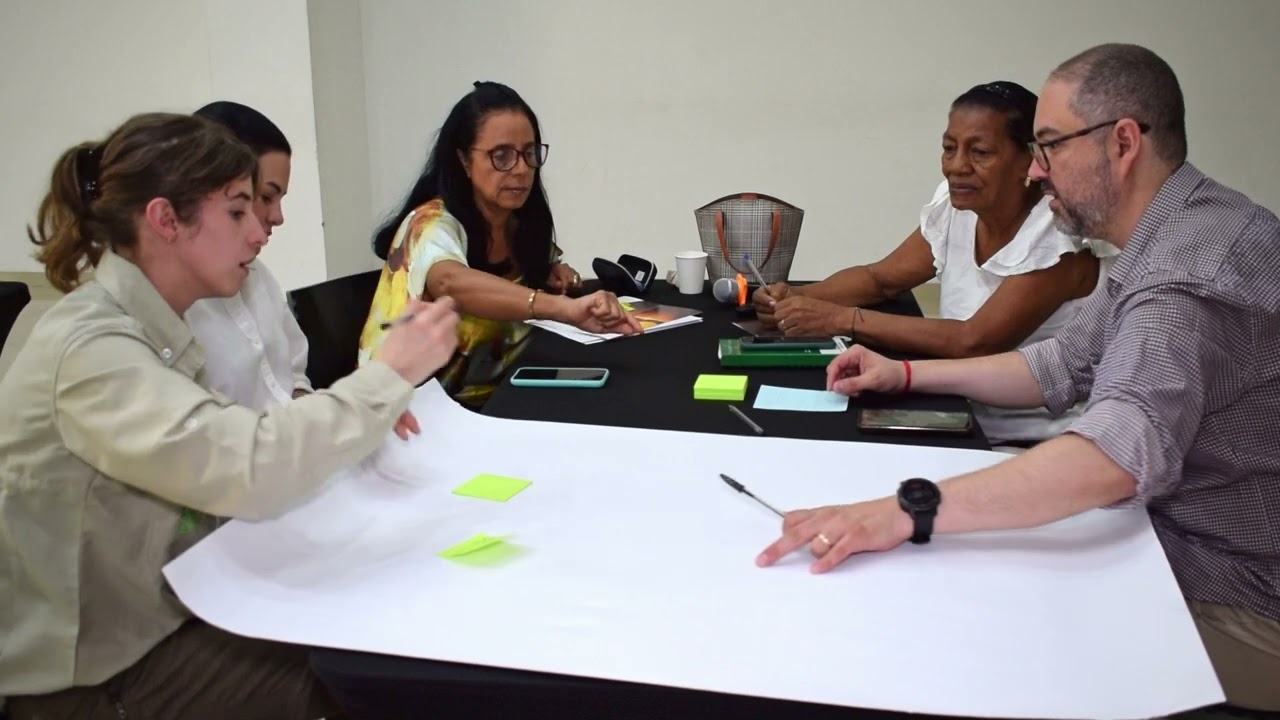
In the framework of this conference, CREER participated in various dialogue spaces, promoting discussions on the challenges of a Just Transition:
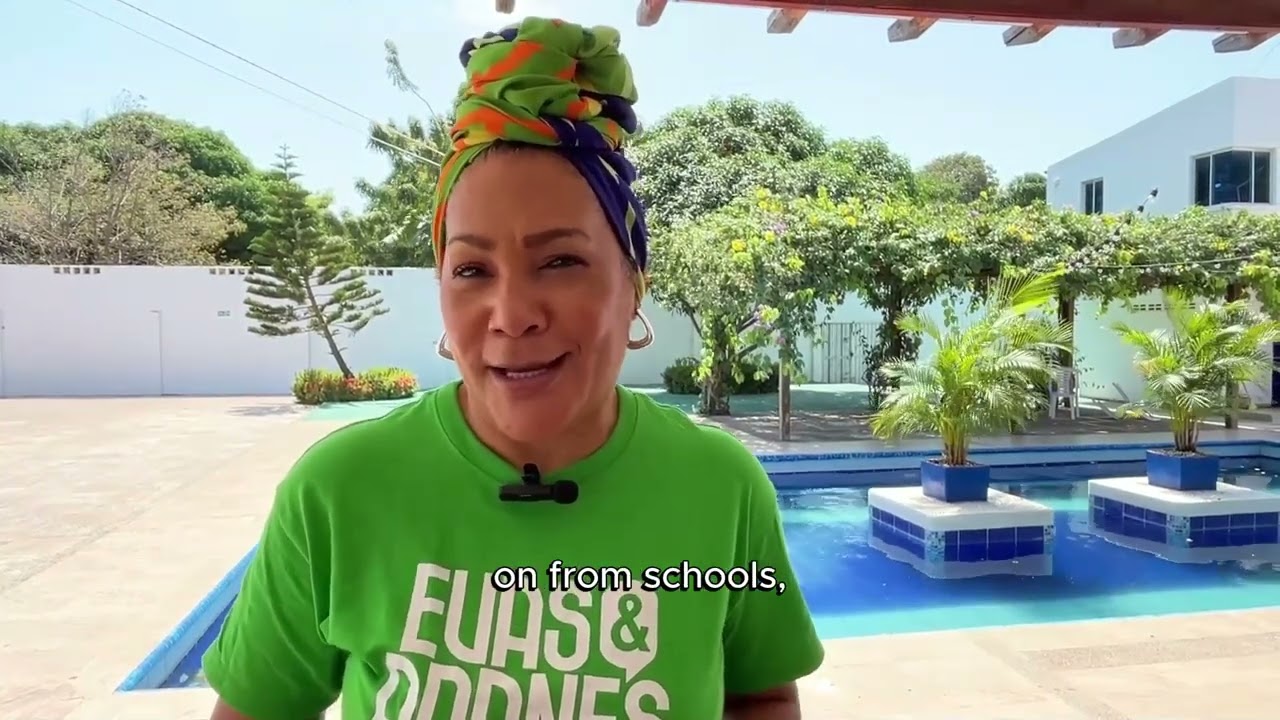
Responsible Exits for a Just Transition: Together with the PDPC, CREER led the panel “Responsible Exits for a Just Transition: Experiences from Germany, Peru, and Colombia.” Participants included Clara Solano (Executive Director, Fundación Natura), Cecilia Bonet (Researcher, Wuppertal Institute), Mario Picón (Program Director, Results for Development), and Eva María Pérez (Leader, ASOVECAB).
New Research: Presented the document: “A look at transitions in coal mining territories in colombia“
Gender and Intersectionality: In collaboration with the Stockholm Environment Institute (SEI), the Just Energy Transition Seedbed of Universidad del Magdalena, the TEJI Alliance, and Foro Nacional por Colombia (FNC), CREER promoted the film-forum “Gender, Mine Closures, and Just Transitions.” This event highlighted the importance of artistic formats and intersectional approaches in addressing the comprehensive impacts of mine closures in Latin American contexts.
Key Conclusions
The discussions converged on the urgent need to strengthen institutional conditions, regulatory frameworks, and safeguards to accelerate territorial just transitions and avoid inaction. Emphasis was placed on moving toward truly binding processes with differential approaches, ensuring the active participation of youth, women, and local communities in decision-making.
The role of the labor sector was also recognized, specifically regarding progressive closures of fossil fuel industries in terms of labor reconversion, diversification, employability, and training. A notable example is the proposal by the Collective of Unions for a Just Energy Transition in Colombia, which has developed concrete proposals to negotiate the phase-out of coal with companies. Consequently, the private sector remains a crucial actor for engaging in dialogue, action, and financing aimed at structural change, biodiversity recovery, and the restoration of ecosystem services—all linked to local livelihoods, culture, and peacebuilding in the territories.
Finally, it was emphasized that the Just Energy Transition should not be treated as an isolated agenda, but rather articulated with territorial development and economic diversification. There is a clear need to connect this conversation with driving sectors such as agriculture and agroecology, promoting sustainable productive alternatives that strengthen local livelihoods.
Future Outlook: Critical Questions for the Global Agenda
While the conference identified concrete solutions beyond typical COP negotiations, several questions require deeper discussion:
Financing and Global Governance
How can existing external debt schemes for developing countries be transformed to enable effective transition plans toward renewable energy models?
What geopolitical routes can be established to find alternatives to ISDS (Investor-State Dispute Settlement) for resolving controversies between extractive companies and States, maintaining long-term public-private collaboration?
Which financing models and resource mobilization strategies are most effective for a responsible phase-out of fossil fuels, and who should lead them?
Territorial Implementation and Productive Transformation
How can the discussion of dependency move beyond economic and fiscal components to address the replacement of petroleum and minerals in human life (agribusiness, chemicals, infrastructure, health)?
How can the private sector and extractive industry be better engaged in responsible closures that address social and environmental impacts and ensure transitions based on concepts like “trailing liability”?
Regarding demand, what considerations are needed in a global economy that increasingly demands critical minerals and metals for renewable energy and other sectors?
Participation, Inclusion, and Legitimacy
How can we ensure that the scientific panel established in Santa Marta is nourished by knowledge and solutions emerging from territories, communities, and workers?
What formats and methodologies should be developed for the 2027 conferences in Tuvalu and Ireland to ensure meaningful participation of all voices (including Indigenous peoples, peasants, civil society, and human rights defenders) and avoid the exclusionary patterns of the COPs?
How do we translate dialogue and good intentions into real implementation, moving the discussion toward proposals that avoid “false solutions”?
Notas sobre la traducción (para tu referencia):
“Vinculante”: Traducido como Binding, esencial en el contexto de derechos humanos para diferenciar de lo meramente consultivo.
“Sindicatos”: Traducido como Trade Unions o Labor Sector, términos que CREER usa para hablar de la fuerza trabajadora.
“Cierres responsables”: Se usó Responsible closures, un término técnico en minería y energía.
“Medios de vida”: Traducido como Livelihoods, que es el término estándar de la ONU y el IHRB para hablar de cómo las comunidades se sustentan.