NEWS

We were on an exchange in Australia to talk about responsible mine closures

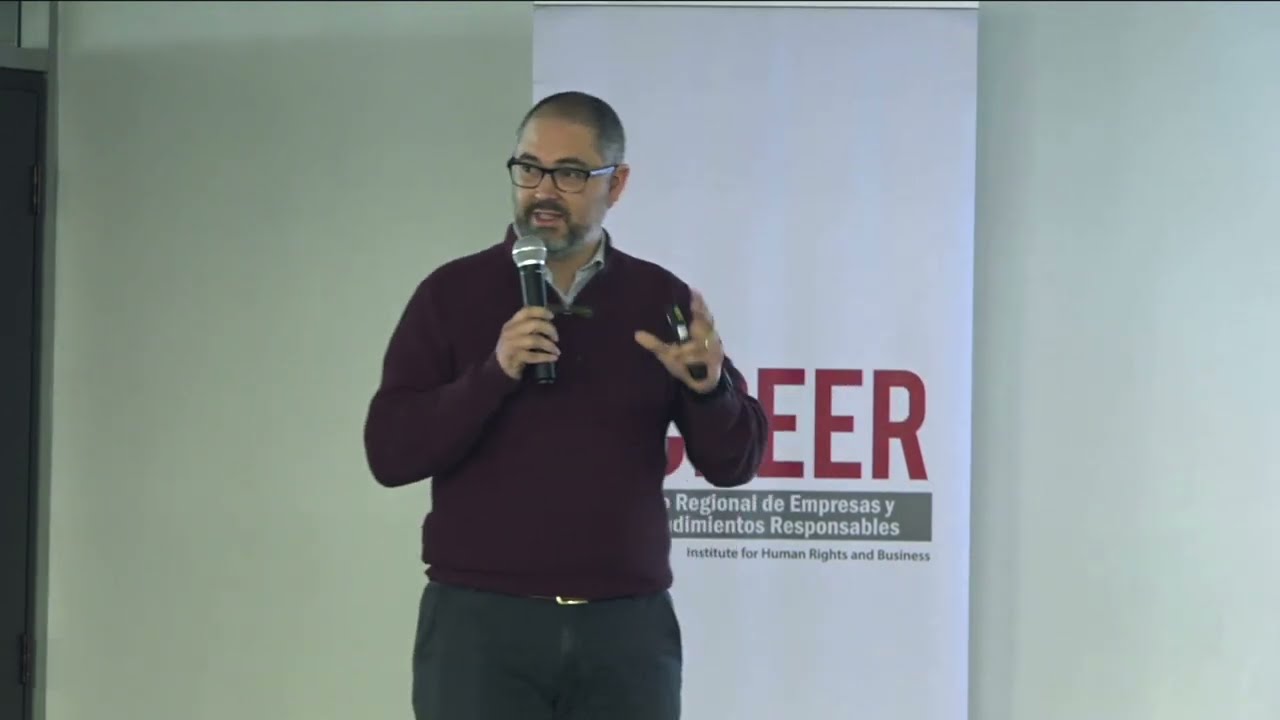
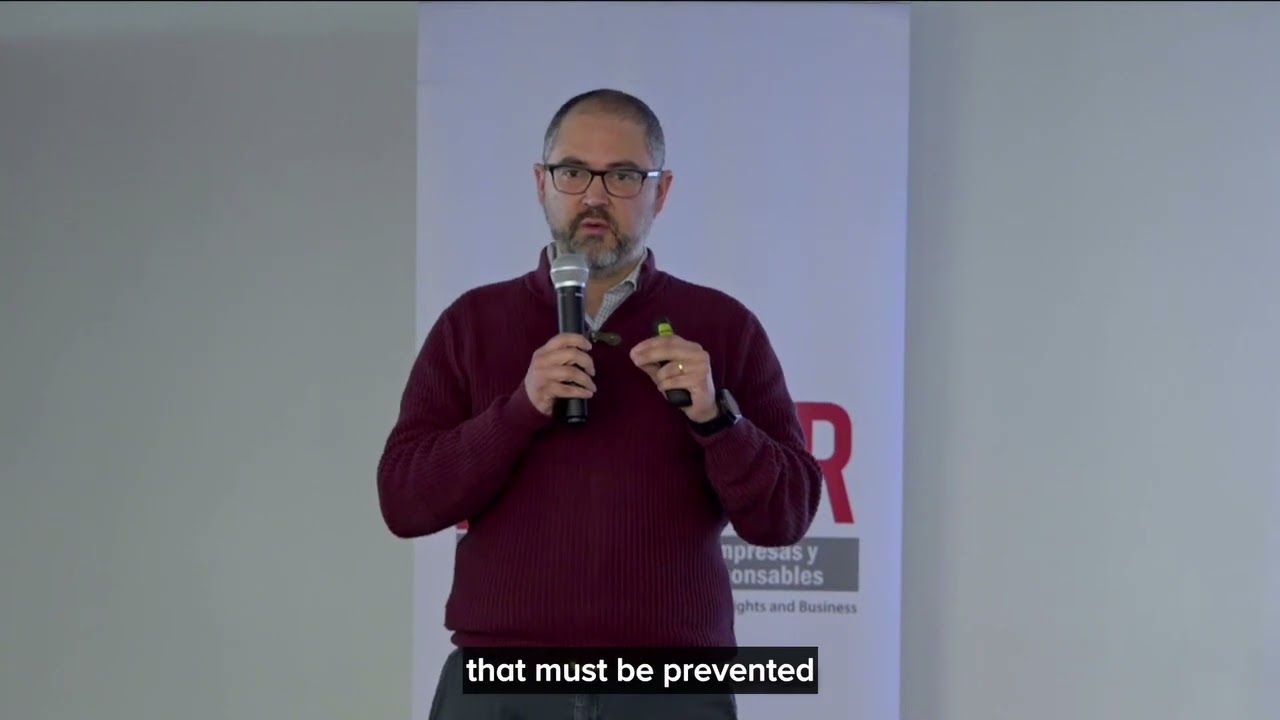
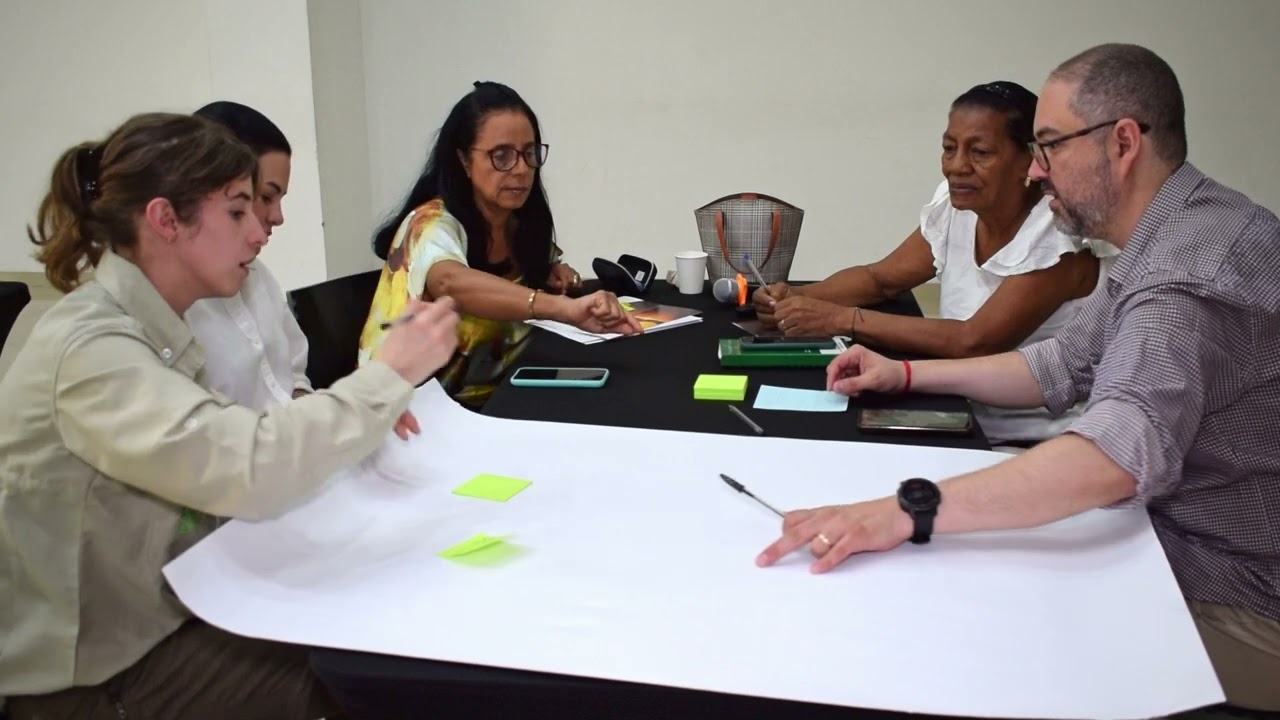
With the support of the Australian government, through the Council on Australia Latin America Relations (COALAR), we carried out a two-week Colombia-Australia exchange. This was done alongside the Centre for Social Responsibility in Mining (CSRM) at the University of Queensland, to discuss the energy transition and responsible mine closures in both countries.

During the first week of the exchange, we presented the Colombian case at a seminar where we learned about closure and rehabilitation cases in Australia and the Czech Republic alongside industry and government representatives. This exchange was led by the Sustainable Minerals Institute (SMI) at the University of Queensland and some of its constituent academic centers. These included:

  • The Centre for Social Responsibility in Mining (CSRM)
  • The Centre for Environmental Responsibility in Mining (CERM)
  • The Cooperative Research Centre for Transformations in Mining Economies (CRC TiME)

During the second week, we conducted fieldwork to understand the country’s experience regarding the mine closure and post-closure phases across different regions.

We had the opportunity to converse with the National Justice Reinvestment Group at the Elders’ Justice and Healing Centre in the Minjerribah Moorgumpin Dunwich Council, Stradbroke Island (State of Queensland). We are deeply grateful for their time and for sharing how they have organized and generated a governance model to address the closure of sand mining in the area.

In addition, we attended an academic seminar at Federation University (State of Victoria), where we learned about the environmental and social aspects of rehabilitation plans in the Latrobe Valley and other cases in Australia. We concluded this space with visits to the Hazelwood, Loy Yang, and Yallourn mines in the Victoria region, where we were presented with the progress and challenges surrounding mine closure and rehabilitation plans.

Transitions in mining territories demand a responsible value chain that encompasses closures and exits from an interdisciplinary perspective. This requires multi-actor dialogue and decision-making based on scientific evidence and local knowledge that is legitimate within the territories and effective in the formulation and implementation of public policies.

Thank you to all the people and organizations that supported and participated in this visit. We will soon share the results and analysis of this exchange and its importance for the Colombian case.

TAMBIÉN TE PUEDE INTERESAR

Working Sector

Report from the meeting with workers and trade unions

Testimony from workers and trade unions

Closures and multi-stakeholder dialogue

Full document

Executive summary

Transitional minerals

The rapid expansion of critical minerals for the energy transition and other strategic industries (agriculture, defense, technology) presents us with a paradox: the decarbonization of the planet depends on an intensification of mining activity. For CREER, this rapid expansion carries critical risks regarding human rights, local economic dynamics, and ecosystem balance. Our work focuses on analyzing these dilemmas through the lens of a just transition, promoting governance frameworks that mitigate negative impacts and ensure that the mining of “minerals for the future” is carried out under rigorous standards of sustainability, equity, and respect for fundamental rights, through dialogue among different stakeholders.

Energy Communities

We analyze the governance and sustainability challenges that arise in the implementation of decentralized generation models. Our work focuses on researching how local associative structures interact with regulatory frameworks and human rights standards. Through applied research, we assess the risks of rent capture, internal decision-making conflicts, and the conditions necessary for these self-management schemes to guarantee equitable and transparent participation in the territory.

Solar

With a focus on responsible land management and respect for local livelihoods, at CREER we apply our technical expertise in the photovoltaic sector to promote a solar transition with social integrity. Through the analysis of rural environments, the strengthening of local governance, and the design of participation mechanisms, we seek to ensure that large-scale deployment in Latin America not only contributes to the energy mix, but also strengthens the social fabric. Our purpose is to lead due diligence models that ensure solar infrastructure coexists with food security, strategic ecosystems, and the productive vocations of each community.

Resources for Territorial Planning

Peacebuilding, Citizen Participation, and Human Rights

Transformative Perspectives for a Just Energy Transition